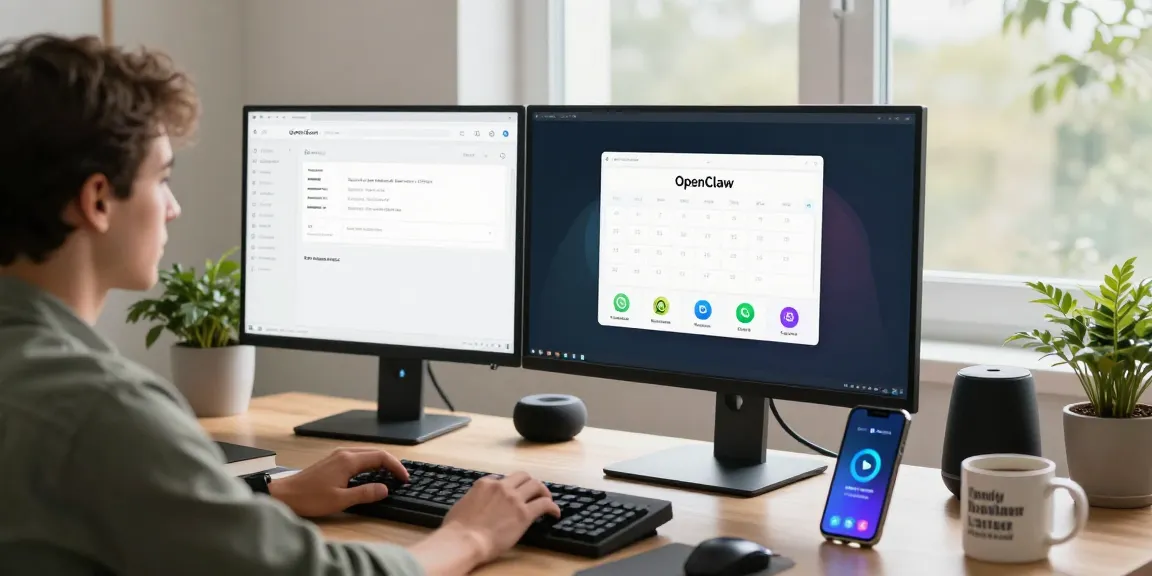
Understanding OpenClaw Skill: Overview and Benefits
In an age where intelligent agents are becoming essential to productivity and operational efficiency, the openclaw skill emerges as a powerful toolset for harnessing the capabilities of artificial intelligence. OpenClaw Skill serves as a centralized hub that empowers users to create, manage, and deploy custom skills for intelligent agents seamlessly. This platform not only simplifies the customization of AI interactions but also enhances workflow automation, allowing teams to adapt AI functionalities to their unique needs effectively.
What is OpenClaw Skill?
OpenClaw Skill is a powerful framework that enables users to extend the functionality of intelligent agents through specially crafted skills. Each skill is housed within a defined directory containing a SKILL.md file, which serves as the instructional guide for the AI agent. This Markdown file details how the skill operates, its intended use cases, and customization options, thus providing clarity and precision in AI interactions. By leveraging natural language instructions, users can effectively communicate complex commands without the need for extensive programming knowledge.
Key Benefits of Using OpenClaw Skill
The OpenClaw Skill system offers a myriad of benefits:
- Customization: Create bespoke skills tailored to specific workflows without the need for coding expertise.
- Community-Driven: Engage with a thriving community that shares skills, promotes collaboration, and fosters innovation.
- Ease of Use: The intuitive structure of
SKILL.mdfiles allows quick onboarding for users of all skill levels. - Versatility: Implement skills across various platforms and applications, maximizing the utility of your AI agents.
- Scalability: Develop skills as your needs evolve, ensuring that your intelligent agents grow alongside your capabilities.
Common Misconceptions About OpenClaw Skill
Despite its potential, misconceptions about OpenClaw Skill can hinder user adoption:
- Requires Advanced Knowledge: Many users believe that creating skills requires programming expertise; however, the user-friendly
SKILL.mdformat allows non-technical users to craft effective skills. - Limited Applications: The modular nature of OpenClaw Skills means they can be applied to a wide range of tasks, from project management to personal assistance.
- Inflexible Structure: The system’s use of natural language makes it adaptable, allowing users to express intricate workflows without rigid schemas.
Setting Up OpenClaw Skill for Optimal Efficiency
Establishing OpenClaw Skill effectively is critical to realizing its full potential. Users must navigate through the installation and configuration processes to optimize their experience.
How to Install OpenClaw Skill Successfully
Installing OpenClaw Skills begins with setting up the core framework on your local machine. Follow these steps:
- Download and install the OpenClaw application from the official website.
- Clone the OpenClaw Skills repository from GitHub to access a plethora of community-contributed skills.
- Open your terminal and navigate to the skills folder you wish to install.
- Execute the command
openclaw install [skill-folder]to integrate the skill into your setup.
Once installed, users can explore the skills available and select those that meet their requirements.
Essential Configuration Steps for OpenClaw Skill
Configuration is vital for the optimal performance of OpenClaw Skills:
- Metadata Configuration: Customize the
metadata.openclawYAML block withinSKILL.mdto specify dependencies, emoji icons, and installation commands. - Memory System Setup: Establish file-based memory architectures by properly configuring
MEMORY.mdto ensure your agent retains essential context over time. - User Context Management: Input user details like name, timezone, and preferences to enrich agent interactions and maintain continuity.
Common Setup Challenges and Solutions
As with any technology, challenges may arise during the setup of OpenClaw Skills:
- Installation Errors: If installation fails, verify system compatibility and correct dependencies.
- Configuration Confusion: Seek community forums or documentation for assistance with complex configurations.
- Memory Issues: If the agent appears to forget prior interactions, double-check the memory system configuration and ensure files are properly formatted.
Creating Custom Skills with OpenClaw
One of the standout features of OpenClaw is its ability to allow users to create custom skills that meet specific needs.
Step-by-Step Guide to Crafting Your OpenClaw Skill
Building a custom skill involves the following steps:
- Define Your Skill: Determine the purpose and functionality of the skill you wish to create.
- Create Your SKILL.md: Start a new skill folder and create a
SKILL.mdfile that includes natural language instructions detailing how the skill should operate. - Add Metadata: Integrate the
metadata.openclawblock to specify how the skill should be loaded and managed. - Test Your Skill: Use various prompts to evaluate the skill’s responses and make adjustments as necessary.
Best Practices for Writing Effective SKILL.md
To ensure your skills are effective, adhere to these best practices:
- Clarity: Write instructions in plain English, avoiding jargon to ensure the AI comprehends its tasks accurately.
- Examples: Include usage examples that demonstrate the skill’s capabilities and edge cases.
- Feedback Loops: Incorporate mechanisms for the AI to check its understanding and adapt its behavior based on user interactions.
Real-World Examples of Custom OpenClaw Skills
Many users have successfully developed custom OpenClaw Skills tailored to their workflows:
- Wine Cellar Management: A skill that tracks inventory, reminds users of optimal drinking times, and suggests pairings based on individual preferences.
- PR Review Automation: A skill that automatically requests feedback on public relations drafts, streamlining the review process across teams.
- Cross-Platform Publishing: A skill that enables users to publish content across various platforms with a single command, enhancing productivity and consistency.
Testing and Sharing OpenClaw Skills
After creating a skill, thorough testing and sharing it with the community enhance its effectiveness and utility.
Effective Testing Methods for OpenClaw Skills
Testing is crucial to ensure your skill functions as intended:
- Unit Testing: Break down the skill into components and test each separately to uncover potential issues.
- Scenario Testing: Implement diverse user scenarios to evaluate how your skill performs under various conditions.
- Community Feedback: Leverage community platforms to gain insights and suggestions from users who might have similar challenges.
How to Share Your Skills with the Community
Sharing skills fosters collaboration and innovation:
- Community Repositories: Submit your skills to open-source repositories like ClawHub to reach a wider audience.
- Social Media: Promote your skills through social media platforms to gather interest and feedback from the community.
- Documentation: Provide clear documentation and user guides to accompany your skill, making it easier for others to utilize.
Leveraging Community Feedback for Skill Improvement
Community feedback is invaluable for enhancing skills:
- Iteration: Regularly update your skill based on user feedback to continuously improve its functionality.
- Engagement: Engage with users to gather their insights and understand their needs better.
- Best Practices Sharing: Collaborate with other developers to share tips and strategies that can refine your skill development process.
Future Trends: The Evolution of OpenClaw Skills
The landscape of AI continues to evolve, and OpenClaw Skills are positioned to adapt and grow alongside these changes.
Predictions for OpenClaw Skill Development in 2026
As AI capabilities expand, the demand for more sophisticated skills will increase. Future developments may include:
- Enhanced Interactivity: Skills that can engage in more complex dialogues, mirroring human interactions.
- Integration with IoT Devices: Skills that seamlessly connect and interact with various smart devices within user environments.
- Contextual Awareness: Skills that utilize advanced contextual understanding to provide personalized recommendations and responses.
How OpenClaw Skills Will Transform Workflows
OpenClaw Skills have the potential to redefine workflows in numerous industries:
- Automation of Routine Tasks: Skills can automate repetitive tasks, allowing teams to focus on higher-level strategic initiatives.
- Integration of Multi-Disciplinary Functions: Combining skills from various domains will enable multi-faceted problem-solving and decision-making processes.
- Real-Time Adaptability: Skills may adapt and learn from changing environments and user preferences, providing a tailored experience.
Emerging Technologies Impacting OpenClaw Skills
Several technologies are likely to influence the future of OpenClaw Skills:
- Natural Language Processing: Advances in NLP will enhance the understanding and contextual awareness of skills.
- Machine Learning: Incorporating machine learning algorithms will allow skills to improve automatically based on usage data.
- Augmented Reality: Skills may leverage AR technologies to provide enhanced visual data and interactive experiences.
What is OpenClaw Skill used for?
OpenClaw Skill is utilized for creating customized workflows, automating repetitive tasks, and enhancing human-AI interactions across various platforms and applications.
How can I create custom OpenClaw Skills?
To create custom OpenClaw Skills, define your skill’s purpose, write a clear SKILL.md file detailing its functionality, and configure the metadata for optimal performance.
What are the best practices for using OpenClaw Skills?
Best practices include writing clear instructions, testing thoroughly, staying engaged with community feedback, and iterating based on user interaction.
What challenges might I face with OpenClaw Skills?
Common challenges include installation errors, configuration complexities, and memory management issues. Engaging the community can provide valuable solutions.
Where can I find community resources for OpenClaw Skills?
Community resources for OpenClaw Skills are available on platforms like GitHub, various online forums, and documentation pages dedicated to OpenClaw.