Understanding OpenClaw: Features and Benefits
As the demand for smart automation tools continues to grow, personal AI assistants like OpenClaw are revolutionizing the way we manage our daily tasks. OpenClaw is a self-hosted, open-source AI assistant that simplifies various functions from managing emails and calendars to connecting with more than 100 messaging applications. When exploring options, openclaw provides comprehensive insights into how you can streamline your workflows by leveraging the power of AI.
What is OpenClaw?
OpenClaw is a versatile personal AI assistant that allows users to automate mundane tasks while providing robust functionality through a variety of integrations. Its open-source nature means that users can not only customize the assistant to fit their individual needs but also contribute to its ongoing development. Operating seamlessly across platforms like Mac, Windows, and Linux, OpenClaw is designed for both novice users and tech-savvy developers alike, ensuring broad accessibility and usability.
Core Capabilities of OpenClaw
- Email Management: Automatically sorts and prioritizes emails, helping you maintain an organized inbox.
- Calendar Coordination: Effortlessly schedules meetings and reminders based on your preferences and patterns.
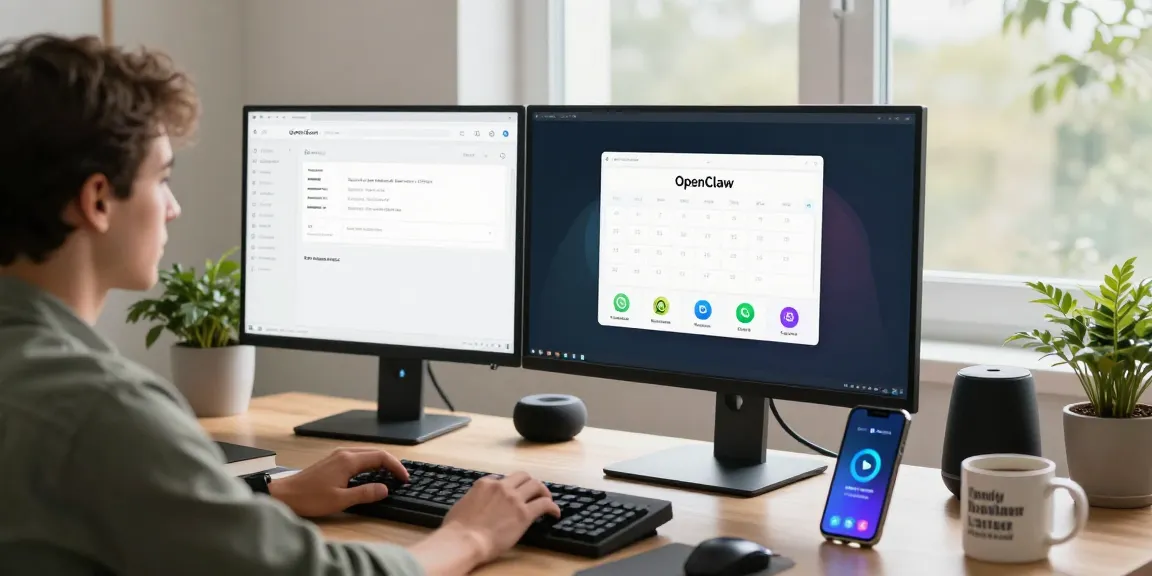
- Messaging Integration: Connects with major platforms like WhatsApp, Telegram, Slack, and Discord for streamlined communication.
- Automated Browsing: Capable of browsing webpages, filling forms, and extracting data, which allows users to focus on more critical tasks.
- Custom Module Support: Extend functionality through modular plugins developed by the community or by building your own solutions.
Advantages of Self-Hosting OpenClaw
Self-hosting offers several advantages for users concerned about data privacy and customization. When you run OpenClaw on your hardware, you maintain complete control over your data, mitigating risks associated with third-party cloud services. Additionally, self-hosting allows for greater customization options, enabling users to adjust the assistant’s capabilities to fit specific business workflows or personal needs.
Setting Up Your OpenClaw AI Assistant
Cloud vs Self-Hosted Installation
Choosing between cloud hosting and self-hosting OpenClaw depends on your needs. Cloud hosting provides a fully managed experience with zero maintenance, while self-hosting gives you the benefit of greater control and customization. For organizations that prioritize data sovereignty, self-hosting is often the preferred option, allowing users to keep sensitive information within their own infrastructure.
Step-by-Step Guide for Self-Hosting
Setting up your OpenClaw assistant can be accomplished in just a few steps:
- Installation: Download and install OpenClaw on your preferred hardware, whether it’s a Mac mini, Windows PC, or Linux server. For Mac users, Homebrew offers a simple installation command:
brew install openclawd. - Initial Configuration: After installation, execute
openclawd onboardto set up API credentials and connect with messaging platforms. - Customization: Modify settings and preferences through the configuration interface to tailor OpenClaw to your specific needs.
- Starting the Assistant: Launch the assistant by executing
openclawd start, and you’re ready to go!
Initial Configuration for Optimal Performance
After setting up OpenClaw, it’s crucial to perform some initial configurations to ensure optimal performance. Fine-tuning the AI’s settings based on your typical usage habits can greatly enhance its efficiency. This includes setting response preferences, prioritizing integrations, and customizing notification settings to ensure you receive timely updates without unnecessary distractions.
Integrating OpenClaw with Existing Systems
Supported Applications and Services
OpenClaw shines in its ability to integrate with a multitude of applications and services. From productivity tools like Google Workspace and Microsoft 365 to communication platforms such as Discord, WhatsApp, and Telegram, the assistant offers seamless connectivity that enhances the user experience and automates processes across various environments. This cross-platform capability makes it an indispensable tool for both individuals and teams.
Connecting OpenClaw to Messaging Platforms
To maximize its functionality, connecting OpenClaw to your preferred messaging platforms is essential. During the setup process, users can easily configure OpenClaw to receive and send messages via any supported app, ensuring that communication is efficient and streamlined. This feature not only saves time but also enhances team collaboration by keeping everyone informed and connected.
Utilizing API Integrations Effectively
OpenClaw’s API integrations allow for advanced functionality, giving users the capability to customize workflows further. By connecting various services through the API, users can automate routine tasks such as posting updates, sending reminders, or pulling data from multiple sources. This level of automation frees up time for more strategic activities.
Maximizing Productivity with OpenClaw
Automation of Daily Tasks
One of the primary advantages of using OpenClaw is its ability to automate daily tasks. Whether it’s managing correspondence or scheduling appointments, automation minimizes redundancy and maximizes productivity. By allowing OpenClaw to handle these mundane tasks, users can focus on higher-value activities that drive their goals forward.
Enhancing Personal Workflows
Every user has unique workflows, and OpenClaw is adaptable enough to enhance any of them. By assessing the specific needs and routines of users, OpenClaw learns and adapts its functions to fit seamlessly into individual workflows, offering suggestions and automating tasks based on user patterns. This level of personalization ensures that users can work smarter, not harder.
Measuring Performance and Improvements
To fully leverage the capabilities of OpenClaw, it’s important to measure productivity and improvements over time. Users can track how much time is saved through automation and assess the efficiency of their workflows. By regularly reviewing performance data, adjustments can be made to optimize OpenClaw’s settings for even better results.
The Future of OpenClaw and AI Assistants
Trends in AI Personal Assistants for 2026
The landscape of AI personal assistants is rapidly evolving. In 2026, we can expect further advancements in natural language processing, making interactions with assistants like OpenClaw more intuitive and human-like. Additionally, machine learning models will continue to improve, allowing for deeper personalization and better understanding of user preferences and behaviors.
Privacy and Data Sovereignty Considerations
As organizations become more aware of the importance of data privacy, tools like OpenClaw that offer self-hosting capabilities are increasingly valuable. With more stringent regulations on data security, having a personal assistant that keeps all information within your own infrastructure is a significant advantage, ensuring compliance and peace of mind for users.
Community Contributions and Future Development
The open-source nature of OpenClaw fosters a vibrant community focused on continuous improvement and innovation. Users are encouraged to contribute to its development, whether through coding, sharing custom modules, or participating in discussions. This collaborative environment not only enhances the product but also empowers users to shape its future to meet their evolving needs.
What is OpenClaw and how does it work?
OpenClaw is a personal AI assistant that utilizes machine learning algorithms to automate tasks and facilitate communication across various platforms. By integrating with popular messaging services and productivity tools, it enhances user efficiency by streamlining daily operations.
Can I customize OpenClaw for my specific needs?
Absolutely! OpenClaw is designed to be highly customizable. Users can adjust settings, integrate with specific applications, and develop custom modules to suit their unique workflows and preferences.
What messaging platforms does OpenClaw support?
OpenClaw supports a wide range of messaging platforms, including WhatsApp, Telegram, Discord, and Slack. This compatibility ensures seamless communication across different services, making it a versatile tool for users.
Is self-hosting OpenClaw challenging?
Self-hosting OpenClaw is straightforward, especially with the detailed documentation provided. While it requires some initial setup, many users find the process manageable and rewarding, knowing they have control over their data and assistant’s functionality.
How does OpenClaw ensure data privacy?
OpenClaw prioritizes data privacy by allowing users to host the AI assistant on their own hardware. This means that sensitive information stays within the user’s control, reducing the risk associated with third-party cloud services.