Understanding Hair Transplant Turkey
The journey to reclaiming a fuller head of hair can be daunting, yet exciting, particularly in a country like Turkey, which has emerged as a premier destination for hair transplants. With innovative techniques, a rich pool of experienced surgeons, and affordable pricing, Turkey attracts thousands of international patients each year. If you’re considering such a procedure, understanding the landscape of hair transplant options in Turkey will empower you in making informed decisions. From Follicular Unit Extraction (FUE) to Direct Hair Implantation (DHI), the variations in methods and practices reflect the diverse needs and expectations of patients worldwide. For those exploring options, hair transplant turkey provides comprehensive insights into the entire journey from pre-operation to recovery.
What is a Hair Transplant?
A hair transplant is a surgical procedure designed to treat hair loss by relocating healthy hair follicles from a ‘donor’ site to areas experiencing thinning or baldness. Typically, the donor site is the back or sides of the head, where hair is denser and more resistant to the effects of hormones that cause hair loss. This process is aimed at achieving natural-looking results by harnessing the patient’s own hair, thereby reducing the risks of rejection and allergic reactions commonly associated with synthetic solutions.
How Hair Transplant Turkey Became a Global Destination
Over the past decade, Turkey has witnessed a surge in medical tourism, especially in hair restoration. Several factors contribute to this phenomenon, including the convergence of advanced medical technology, intensive training programs for surgeons, and the ability to offer cost-effective procedures without compromising on quality. Recognized clinics, like Smile Hair Clinic, have earned accreditation from reputable international boards, ensuring high-quality care and safety for patients. As such, Turkey not only provides an affordable alternative for hair transplants but also embodies an environment with medical expertise comparable to that of Western countries.
Comparing Hair Transplant Methods in Turkey
In Turkey, the two most prevalent methods for hair transplanting are Follicular Unit Extraction (FUE) and Direct Hair Implantation (DHI). FUE involves harvesting individual hair follicles and transplanting them into the thinning areas. This method is renowned for its minimally invasive approach and lack of linear scarring. Alternatively, DHI utilizes a specialized implanter tool, allowing for precise placement of hair follicles with minimal handling time outside the body. Each method varies in terms of technique, recovery, and potential results, necessitating focused discussions with your medical team to determine the best approach for your individual needs.
Why Choose Hair Transplant Turkey?
Cost-Effectiveness of Procedures in Turkey
The cost of hair transplant procedures in Turkey often comes as a welcome surprise to international patients, with prices ranging from $1,500 to $4,500. This is in stark contrast to the fees seen in countries such as the US, where similar procedures can accrue costs of $10,000 or more. The high volume of procedures conducted in Turkey allows clinics to offer competitive prices, while maintaining high standards of care. Patients can benefit from all-inclusive packages often covering surgery, post-operative care, hotel accommodations, and transportation, making it a financially viable option for many.
Advanced Techniques Available at Leading Clinics
Leading clinics in Turkey differentiate themselves through the adoption of cutting-edge techniques and technology. The Sapphire FUE method, for instance, employs sapphire blades for graft site preparation, which is claimed to enhance precision and improve healing times compared to traditional steel blades. This advancement illustrates how Turkish clinics prioritize patient experience and outcomes through the latest technological innovations in hair restoration.
Accreditation and Safety in Turkish Clinics
Another key factor in selecting Turkey as your hair transplant destination is the rigorous standards for accreditation that many Turkish clinics meet. Facilities such as Smile Hair Clinic have received accolades from esteemed organizations, ensuring procedures are performed under strict safety and health protocols. This commitment to safety is paramount in earning the trust of international patients and establishing Turkey as a leader in medical tourism.
Are You a Good Candidate for Hair Transplant Turkey?
Assessing Your Hair Loss Type
Before considering a hair transplant, it’s crucial to assess your type of hair loss. Conditions like androgenetic alopecia, commonly known as male or female pattern baldness, often yield excellent candidates for transplant procedures. However, other factors such as the extent of hair loss, donor hair availability, and your overall health can influence eligibility. Consulting with a professional can provide clarity on whether a transplant is right for you.
Age and Expectations: What to Consider
Age plays a significant role in determining candidacy for hair transplants. Most experts recommend waiting until after the age of 25, when hair loss patterns are generally more stable and predictable. Additionally, having realistic expectations is vital; while hair transplants can greatly enhance density and framing, they cannot restore the exact hair you once had. An open dialogue with your hair transplant surgeon will set the stage for a successful outcome and mitigate disappointment.
Consultation: What to Discuss with Your Surgeon
Your initial consultation is a pivotal step in your hair transplant journey. Be prepared to discuss your medical history, family history of hair loss, and lifestyle factors that might affect your procedure and recovery. Understanding your expectations for hair restoration—as well as any concerns—will help your surgeon tailor a plan that aligns with your specifics needs, improving your chances for an optimal outcome.
Preparing for Your Hair Transplant Journey in Turkey
Pre-Operation Guidelines and Expectations
Once you’ve decided to move forward, preparation for your hair transplant will begin. This typically includes recommendations to avoid certain medications that may thin your blood, such as aspirin and anti-inflammatory drugs, as well as abstaining from alcohol and smoking in the weeks leading up to the procedure. Additionally, opting for a balanced diet rich in vitamins can enhance healing and improve outcomes.
Your Hair Transplant Day: What to Expect
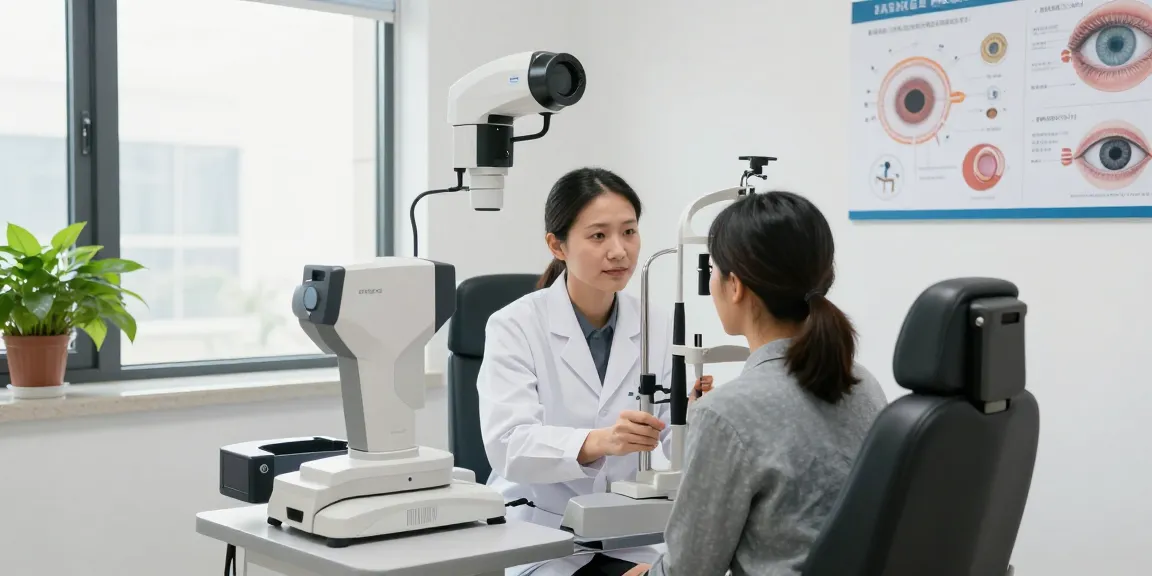
The day of your hair transplant may be filled with both excitement and nervousness. Upon arriving at the clinic, you’ll undergo final examinations, including blood tests and a thorough consultation with your surgical team. The procedure typically requires a few hours, during which local anesthesia will be administered to ensure comfort. Patients are usually awake and may engage in light activities like listening to music or chatting with their medical team.
Post-Procedure Care for Best Results
Post-operative care is paramount for ensuring the longevity and success of your hair transplant. Following your surgeon’s instructions diligently can significantly boost results. Generally, patients are advised to avoid strenuous activities, wear loose hats, and refrain from scratching the scalp for a period of time following the procedure. It’s also important to follow a specific hair washing regimen as recommended by your care team to promote healing.
Long-Term Results and Considerations
What Happens Years After a Hair Transplant?
One of the most pressing questions prospective patients have is what they can expect in the long term post-transplant. Transplanted hair typically continues to grow for years—if not a lifetime—as it derives from areas generally resistant to the dihydrotestosterone (DHT) hormone. However, it’s important to recognize that surrounding non-transplanted hair may thin over time, potentially necessitating further treatments to maintain a balanced appearance.
Managing Expectations and Future Hair Health
Proper management of expectations post-transplant is essential for achieving satisfaction with the results. Growth timelines can vary, but patients usually begin to notice new growth around three to six months after surgery, with full results often realized in 12 to 18 months. Regular follow-ups with your surgeon can help monitor hair growth and assess the health of the scalp as well.
Common Questions Regarding Longevity
Many patients express concerns regarding the longevity of results, including common questions about maintenance and future hair loss. Typically, as long as the transplanted follicles come from the safe donor area, they will remain intact. Thus, a well-planned hair restoration procedure can lead to durable results that significantly enhance one’s appearance and confidence.
What are the success rates for hair transplant in Turkey?
Success rates for hair transplants in Turkey, particularly at reputable clinics, range between 90-95%, largely due to the expertise of surgeons and advancements in techniques.
How long does the procedure take including recovery?
The entire process, including recovery, typically spans 3 to 5 days. During this time, patients receive a detailed post-operative care plan.
Are there side effects associated with hair transplant?
Common side effects may include swelling, minor discomfort, and temporary shedding of newly implanted hair. For more information, https://www.smilehairclinic.com/en/ offers valuable insights. Most side effects are manageable and subside within a week.