Understanding CNC Glass Cutting Technology
CNC (Computer Numerical Control) glass cutting technology has revolutionized the manufacturing and processing of glass across various industries, including architectural, automotive, and artistic sectors. With the ability to provide superior precision and efficiency, CNC glass cutting machines have become essential tools for glass manufacturers and professionals. At the forefront of this innovation is Shandong Zhengke Automation Co., Ltd., a well-established player in the glass processing machinery industry, offering a comprehensive range of solutions, including the cnc glass cutting machine, designed to meet diverse production needs.
What is a CNC Glass Cutting Machine?
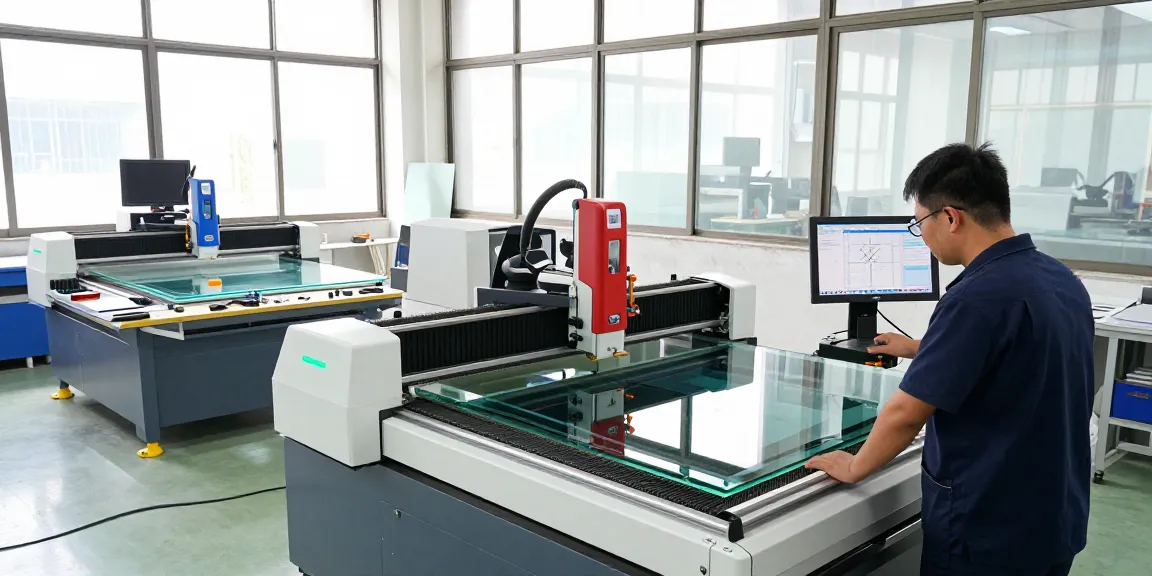
A CNC glass cutting machine is a specialized device that uses computer programming to guide the movement of cutting tools, allowing for precise cutting of glass sheets into various shapes and sizes. These machines can handle a variety of glass types, including float glass, tempered glass, and laminated glass, making them versatile for different applications. The technology behind CNC machines ensures that cuts are made with extreme accuracy, reducing the chances of errors and material wastage.
Key Components of CNC Glass Cutting Machines
Understanding the key components of CNC glass cutting machines can help users appreciate their functionality and capabilities. The following parts are vital in the operation of these machines:
- Control System: This is the brain of the machine, usually a computerized system that interprets design files and sends commands to the machine.
- Cutting Tools: Specialized blades or lasers designed for cutting glass with precision.
- Table: A stable surface that holds the glass in place during cutting, often equipped with vacuum systems to prevent movement.
- Motion System: Includes motors and actuators that control the movement of the cutting tool across the glass surface.
- Software: Programs that allow operators to design cuts and manage machine operations, contributing to efficiency and accuracy.
How CNC Technology Improves Cutting Accuracy
CNC technology dramatically enhances cutting accuracy compared to manual methods. By using computer programming, CNC machines can reproduce complex designs and patterns with consistent quality. Factors such as speed, angle, and depth are controlled with high precision, ensuring that each cut is identical to the last. Additionally, CNC machines minimize human error and reduce the time spent on setup and adjustments.
Benefits of Using CNC Glass Cutting Machines
The adoption of CNC glass cutting machines comes with numerous benefits that can significantly impact productivity and profitability for glass manufacturers. Below are some of the key advantages:
Enhanced Precision Compared to Traditional Methods
One of the most significant advantages of CNC glass cutting machines is their enhanced precision. Traditional manual cutting methods often lead to variations in cuts, which can result in material waste and increased costs. CNC machines, however, provide automated cutting processes that yield identical results, ensuring that every piece fits perfectly into its intended application.
Reducing Material Waste in Glass Processing
Material waste is a primary concern in glass processing, where even small errors can lead to significant financial losses. CNC glass cutting machines optimize cutting patterns and schedules to reduce waste, allowing manufacturers to make the most of their raw materials. This efficiency not only saves cost but also contributes to sustainability efforts by minimizing discarded glass.
Increasing Production Efficiency and Speed
The automation of glass cutting through CNC technology boosts production efficiency. These machines can operate continuously without the need for breaks, enabling manufacturers to fulfill large orders swiftly. In many cases, CNC glass cutting machines can execute complex cuts in a fraction of the time required by manual processes, allowing businesses to meet tight deadlines and increase their output.
Applications of CNC Glass Cutting in Industry
CNC glass cutting technology finds its place in various sectors, reflecting its versatility and efficiency. Here are some of the notable applications:
CNC Glass Cutting in Architectural Projects
In the architectural industry, CNC glass cutting machines are utilized to create intricate glass designs for building facades, windows, and interior features. The ability to produce custom shapes allows architects and builders to implement unique designs that enhance aesthetic appeal while maintaining structural integrity.
Glass Cutting for Automotive Manufacturing
Automotive manufacturing heavily relies on CNC glass cutting for producing windshields and windows. Precision cuts are crucial for ensuring safety and fit, and CNC technology allows manufacturers to achieve the necessary specifications efficiently. With advancements in technology, these machines can also handle the emerging trends of curved and laminated glass in vehicle design.
Custom Glass Design and Art Installations
CNC glass cutting is not limited to industrial applications; it is also instrumental in the world of art. Artists and designers utilize CNC technology to create unique glass sculptures and installations, pushing the boundaries of creativity. The precision offered by CNC machines allows for the realization of complex designs that are often unachievable by hand cutting.
Choosing the Right CNC Glass Cutting Machine
When selecting a CNC glass cutting machine, it is essential to evaluate specific needs and production goals. Below are critical considerations to guide your decision:
Evaluating Your Cutting Needs and Production Volume
Start by assessing the types of glass you will be cutting and the volume of production required. Different machines cater to varying thicknesses and types of glass. For instance, if you handle large sheets of tempered glass, a CNC jumbo glass cutting line may be more appropriate than a standard machine.
Top Features to Look for in a CNC Glass Cutter
Investing in a CNC glass cutting machine requires careful consideration of its features. Look for the following capabilities:
- Multiple Cutting Options: Machines should support both straight and complex cuts.
- Tool Compatibility: Ensure the machine can accommodate various cutting tools, such as diamond blades and lasers.
- Software Integration: Advanced software that allows for easy programming and design modifications is essential.
- Maintenance Support: Consider machines with user-friendly maintenance features and robust customer support.
Price Ranges and Budget Considerations
The cost of CNC glass cutting machines varies widely based on features, size, and capabilities. It is vital to establish a budget while considering potential return on investment through improved efficiency and reduced material waste. Explore financing options or leasing agreements if upfront costs are a concern.
Future Trends in CNC Glass Cutting Technology
As with any technological field, CNC glass cutting continues to evolve. Staying informed about future trends can provide a competitive edge. Here are some anticipated developments:
Emerging Innovations for 2026 and Beyond
Innovations in CNC technology, such as enhanced algorithms for better cutting patterns, are expected to emerge. Furthermore, the integration of IoT (Internet of Things) technology will allow machines to communicate with one another, sharing data for efficiency improvements and predictive maintenance.
The Role of Automation and AI in Glass Processing
Automation and artificial intelligence are set to play a significant role in the future of glass processing. With AI-driven analytics, CNC machines can adapt to production variables in real-time, optimizing performance and minimizing downtime. This shift will lead to smarter factories with interconnected systems that enhance productivity across the board.
Predictions for Market Growth and Technological Advancements
The CNC glass cutting market is poised for significant growth as industries continue to adopt advanced manufacturing technologies. Projections indicate increased demand for automated solutions, driven by the need for higher precision and efficiency. As manufacturers invest in such technologies, we can expect continuous advancements that push the boundaries of what is possible with glass processing.
What are the main advantages of CNC glass cutting machines?
The primary advantages include precision, efficiency, waste reduction, and the ability to handle complex designs, ultimately leading to cost savings and better quality products.
How much does a CNC glass cutting machine cost?
The price of a CNC glass cutting machine can vary significantly, typically ranging from tens of thousands to several hundred thousand dollars, depending on features and capabilities.
Can CNC glass cutting machines handle large projects?
Yes, many CNC glass cutting machines are designed specifically for large projects, with options available for cutting oversized sheets of glass efficiently.
What maintenance is required for CNC glass cutting machines?
Routine maintenance generally includes cleaning, checking tool sharpness, software updates, and regular checks on mechanical parts to ensure optimal performance and longevity.
How does CNC glass cutting contribute to sustainability?
By minimizing waste and increasing efficiency, CNC glass cutting machines contribute to sustainability initiatives in manufacturing. Accurate cuts reduce the amount of scrap glass produced, allowing for more effective resource utilization.