Overview of TradingView and Its Core Features
In the fast-paced world of trading and investment, having the right tools can significantly impact decision-making and strategy development. TradingView is a powerful platform that caters to both novice and experienced traders, offering robust charting capabilities, market alerts, and a collaborative community environment. When exploring options, TradingView provides comprehensive insights that can enhance your trading performance and strategy implementation.
What is TradingView?
TradingView is a web-based platform designed to provide users with advanced charting tools, real-time market data, and a social networking aspect that allows traders to share ideas and strategies. Whether you are looking to trade stocks, forex, cryptocurrencies, or other assets, TradingView offers a seamless experience across all devices. The platform is accessible via desktop applications for Windows, macOS, and Linux, as well as mobile applications for iOS and Android, ensuring that users can conduct analysis and monitor markets anytime, anywhere.
Key Features of TradingView
- Advanced Charting Tools: Users can utilize a variety of chart types, including candlestick, line, and bar charts, to analyze market trends.
- Customizable Technical Indicators: TradingView supports an extensive library of built-in indicators and tools, allowing users to create personalized technical analysis setups.
- Collaboration and Social Sharing: The platform encourages community engagement, enabling users to share ideas, analyses, and trading strategies with each other.
- Alerts System: Users can set personalized alerts based on price movements, technical indicators, or specific market conditions, enhancing their trading efficiency.
- Multi-Device Synchronization: TradingView offers a synchronized experience across different devices, so you can switch from desktop to mobile without losing your place or data.
Who Can Benefit from TradingView?
TradingView is tailored for a diverse audience ranging from professional traders and financial analysts to hobbyists and beginners. The platform's extensive features make it ideal for anyone looking to enhance their trading strategies and market knowledge, making it a valuable asset whether you're day trading, swing trading, or investing long-term.
Understanding Chart Analysis with TradingView
Chart analysis is a pivotal element of successful trading, and TradingView excels in this area by offering tools that help traders interpret market data efficiently. With its user-friendly interface and versatile features, traders can conduct a comprehensive analysis that aids in making informed decisions.
Types of Charts Available
TradingView provides several chart types to cater to different analysis styles, including:
- Candlestick Charts: Ideal for visualizing price movements, these charts help traders understand market sentiment.
- Line Charts: A simpler view that represents price movements over time, useful for identifying trends.
- Bar Charts: These offer more detail than line charts, displaying opening, closing, high, and low prices within a specific timeframe.
Technical Indicators and Tools
The platform features a wide array of technical indicators such as Moving Averages, RSI, MACD, and Bollinger Bands, among others. Users can overlay these indicators on their charts to assist in analyzing market dynamics. Additionally, TradingView allows users to create custom indicators using Pine Script, a unique scripting language designed for traders.
Multiple Time Frame Analysis
TradingView supports multi-time frame analysis, enabling traders to view price movements across different periods. By comparing short-term and long-term trends, users can gain a comprehensive understanding of market behavior and make more informed decisions. This feature is particularly advantageous for traders employing strategies that require an understanding of both immediate and overarching market trends.
Effective Alert Systems on TradingView
The alert system on TradingView is designed to enhance efficiency by automating notifications for critical market movements. This system allows traders to focus on their strategies rather than constantly monitoring price movements.
How to Set Price Alerts
Setting price alerts in TradingView is straightforward. Users can establish alerts based on specific price levels or conditions using the alert tool. Once the designated conditions are met, users receive notifications via various channels such as email, SMS, or app alerts, ensuring they stay informed regardless of their location.
Understanding Technical Alerts
Technical alerts function similarly to price alerts but are based on technical indicators rather than direct price levels. For example, a trader can set an alert when a moving average crosses above or below a certain threshold. This functionality helps traders act quickly on technical opportunities before they pass.
Customizing Notification Settings
Users have the flexibility to customize their notification settings according to their preferences. They can select how they want to receive notifications, the specific conditions that trigger alerts, and even silence notifications during certain times, creating a personalized trading environment that suits their needs.
Multi-Device Usage and Synchronization
One of TradingView's significant advantages is its multi-device capability, which allows users to access their accounts seamlessly across different platforms. This feature is essential for modern traders who require flexibility and accessibility.
Accessing TradingView on Various Platforms
TradingView can be accessed via various platforms, including:
- Web Browser: The web version is fully functional, allowing users to access all features without downloading any software.
- Desktop Applications: Available for Windows, macOS, and Linux, providing enhanced performance for high-frequency traders.
- Mobile Applications: Available for both iOS and Android, making it easy to trade and analyze markets on the go.
Synchronization of Data Across Devices
One standout feature of TradingView is its ability to synchronize data across devices. Users can start their analysis on a desktop and continue on a mobile device without losing any of their settings or analyses. This continuity makes it easier to keep track of trades and alerts, contributing to an efficient trading workflow.
Desktop vs. Mobile Experience
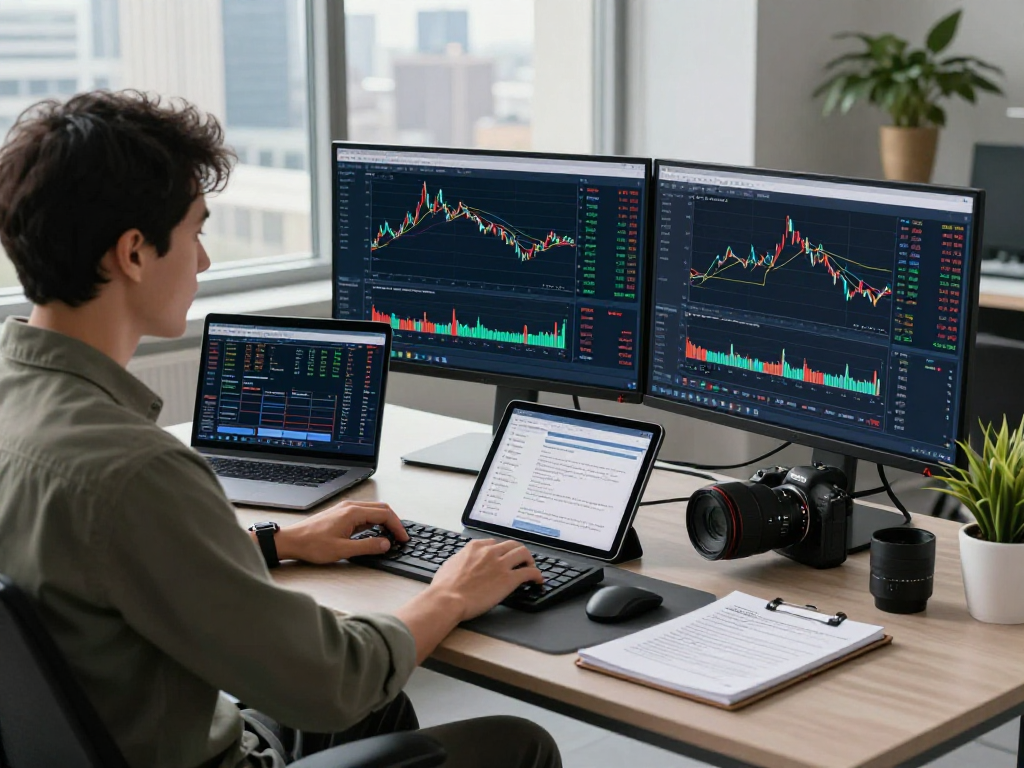
While TradingView's mobile experience is quite robust, the desktop version is often preferred by professional traders due to its enhanced functionality, such as multiple monitor support and advanced charting capabilities. However, the mobile app remains a vital tool for quick analysis and alerts while away from the trading desk.
The Future of Trading with TradingView in 2026
The trading landscape is continuously evolving, and TradingView is at the forefront of this evolution. As technology advances and traders' needs change, the platform is developing to address new challenges and opportunities in the market.
Emerging Trends in Trading Technology
In 2026, we expect to see increased integration of machine learning and artificial intelligence in trading platforms. TradingView is likely to incorporate predictive analytics that helps traders identify potential market movements based on historical data and patterns, further enhancing decision-making processes.
Predictive Analytics and AI Integration
As the capabilities of AI and predictive analytics grow, TradingView may leverage these technologies to offer more sophisticated tools for traders. Features might include automated trading strategies and advanced backtesting options that help users refine their trading approaches and improve their profitability.
The Importance of Community and Collaboration
TradingView's community aspect is a significant advantage. In the future, the platform may foster even greater collaboration by hosting webinars, educational resources, and forums where traders share insights and successful strategies. This collaborative environment is crucial for both novice and experienced traders aiming to enrich their trading knowledge and skills.
What are the main benefits of using TradingView?
Some of the main benefits include access to advanced charting tools, real-time data, customizable alerts, and a vibrant trading community. These features enable users to execute trades more efficiently and improve their overall trading success.
Can TradingView replace traditional brokers?
While TradingView provides robust tools for analysis and strategy execution, it does not replace traditional brokers. Instead, it serves as a complementary platform that enhances traders' ability to make informed decisions while using a broker for trading transactions.
How to maximize TradingView's features for trading success?
To maximize TradingView's potential, users should take advantage of its educational resources, participate in the community, and regularly utilize the various tools and features available. Consistent practice and analysis are key to leveraging the full capabilities of the platform.
What is the difference between free and paid plans on TradingView?
The free plan provides access to basic features, including a limited number of indicators and alerts. In contrast, paid plans unlock advanced tools, additional indicators, and enhanced functionalities, allowing serious traders to take full advantage of the platform's capabilities.
Is a desktop version necessary for effective trading?
While the desktop version offers additional features and is suitable for high-frequency traders, many users successfully trade using the web or mobile versions. The choice largely depends on individual trading styles and preferences.