The Rise of Smart Locks: Understanding the القفل هوشمند Revolution
In an era where technology is rapidly transforming our daily lives, security has become a paramount concern for homeowners. The advent of smart locks, or قفل هوشمند, signifies a pivotal shift from traditional locking mechanisms to advanced, electronic systems that not only enhance security but also offer unparalleled convenience. With features such as remote access, advanced encryption, and integration with home automation systems, smart locks represent the future of home security. As we explore the evolution and benefits of these devices, it is essential to understand what sets them apart from their traditional counterparts.
When exploring options, قفل هوشمند provides comprehensive insights into various models that suit different needs, ensuring you make an informed decision for your home.
What is a Smart Lock and How Does it Work?
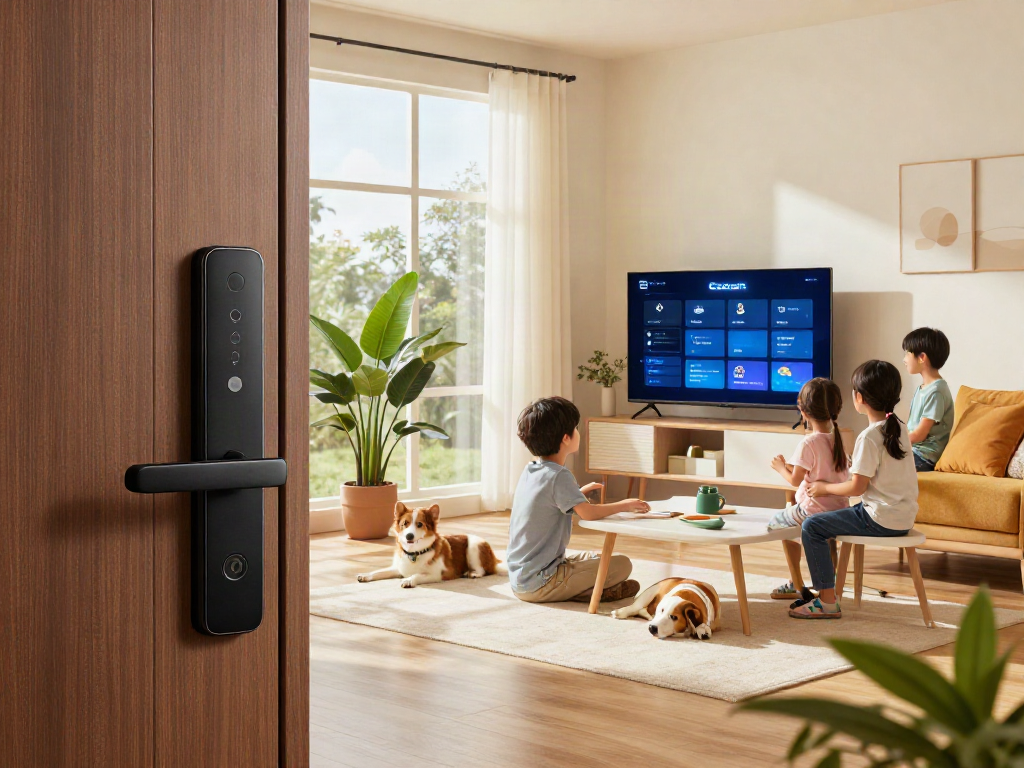
A smart lock is a device that enables users to lock and unlock doors using a smartphone app, a keypad, or biometrics, rather than traditional keys. These locks often operate via Bluetooth or Wi-Fi, allowing for remote access and control. Users can send digital keys to family members, track who enters and exits, and even set schedules for access. The technology behind smart locks typically includes high-level encryption algorithms, making them secure against unauthorized access.
Advantages of Using Smart Locks Over Traditional Locks
- Convenience: No more fumbling for keys; simply use your smartphone or keypad.
- Enhanced Security: Smart locks are often more secure due to their advanced encryption technologies.
- Remote Access: Monitor and control your lock from anywhere in the world through an app.
- Guest Access: Easily grant temporary access to visitors without needing to duplicate keys.
- Activity Logs: Many smart locks provide logs of who accessed the lock and when.
Top Trends Shaping القفل هوشمند Technology in 2026
As the market for smart locks continues to grow, several trends are emerging as defining factors for their development. Understanding these trends can help consumers stay ahead of technological advancements and make informed purchasing decisions.
Integration with Smart Home Systems and IoT
One of the most significant trends is the integration of smart locks with other smart home devices. This interconnectivity allows for a seamless user experience, where locks can communicate with security cameras, alarms, and home assistants like Google Assistant or Amazon Alexa. This cohesive ecosystem not only enhances security but also simplifies management for homeowners.
Advancements in Security Features and Encryption
As cyber threats continue to evolve, manufacturers are prioritizing robust security features. Future smart locks will likely include advanced biometrics, such as facial recognition and fingerprint scanning, paired with high-level encryption protocols to safeguard against hacking attempts. Ensuring that your smart lock has the latest security features is crucial in protecting your home.
User-Friendly Interfaces and Mobile App Innovations
Another trend is the focus on creating more intuitive mobile applications for managing smart locks. User experience (UX) design principles are becoming essential in the development of these apps, offering clearer navigation, customizable settings, and improved accessibility for users of all ages. Enhanced mobile app functionality enables remote control, notifications, and even integration with home security systems.
Choosing the Right قفل هوشمند for Your Home
With the wide array of smart locks available on the market, selecting the right one for your home can be daunting. Consider the following factors to make a well-informed decision.
Factors to Consider: Installation, Compatibility, and Aesthetics
First, evaluate how easy the installation process will be. Some smart locks are DIY-friendly, while others may require professional installation. Compatibility with your existing door hardware and home automation systems is crucial. Additionally, consider the aesthetics of the lock to ensure it fits your home’s style.
Comparative Analysis of Leading Smart Lock Brands
Conducting a comparative analysis of leading brands can help you decide which lock suits your needs best. Some popular brands in the smart lock market include August, Schlage, and Yale. Examine features like connectivity options, battery life, and customer support services to determine the right fit for your household.
User Reviews and Ratings: What Customers Are Saying
User reviews can provide invaluable insights into the reliability and performance of smart locks. Look for reviews that mention ease of use, security features, and customer service experiences. Ratings on platforms like Amazon or Best Buy can guide your decision-making process.
Common Challenges and Misconceptions About Smart Locks
Despite their advantages, smart locks often face skepticism and concern among potential users. Addressing these challenges is essential for gaining a clearer understanding of how they function and their reliability.
Addressing Security Concerns: Are Smart Locks Safe?
A common concern is whether smart locks are vulnerable to hacking. While no technology is entirely immune to attacks, reputable smart lock manufacturers implement stringent security measures, such as two-factor authentication and end-to-end encryption, to enhance safety. Researching models and their security features can help alleviate these fears.
Understanding Connectivity Issues and Solutions
Connectivity issues may arise if a smart lock’s Bluetooth or Wi-Fi signal is weak. Ensure that your lock has a reliable connection by considering home network stability and the lock’s location. Utilizing repeaters or mesh networks can improve connectivity in areas where signals may weaken.
Maintaining Your Smart Lock: Best Practices
Maintenance is crucial for the longevity of your smart lock. Regularly check its batteries, clean the locking mechanism, and update the firmware as necessary. Keeping your lock in top condition ensures it operates smoothly and securely.
Future Predictions and Innovations in Smart Lock Technology
The smart lock industry is on the verge of significant breakthroughs, promising to redefine how we think about home security. Here are some predictions for the future of this technology.
Emerging Trends: Biometric and Touchless Technologies
With advancements in technology, biometric locks that utilize facial recognition or fingerprint scanning will become increasingly popular. Touchless entry systems, which allow users to unlock doors through proximity sensors or mobile apps without any physical contact, may also pave the way for a more hygienic approach to security.
Environmental Considerations: Sustainability in Smart Locks
As awareness of environmental issues grows, smart lock manufacturers are likely to focus on sustainability. Future models may feature energy-efficient designs, materials sourced from renewable resources, and recycling programs for old locks. Consumers will increasingly seek eco-friendly options, influencing market trends.
The Future of Smart Home Security and Home Automation
As smart home technology becomes more sophisticated, the integration of smart locks with other security measures will be critical. The future may see the development of comprehensive security systems, where all devices communicate seamlessly to enhance overall home safety.
What Are the Benefits of Investing in a Smart Lock?
Investing in a smart lock can provide numerous advantages, such as improved home security, convenient access management, and enhanced integration with smart home systems. Furthermore, they offer peace of mind knowing that you can monitor your home's security from anywhere.
How Will Consumer Expectations Change by 2026?
By 2026, consumer expectations regarding smart locks will evolve with heightened demand for advanced security features, user-friendly technology, and sustainability. As technology progresses, homeowners will expect their smart locks to offer enhanced connectivity and interoperability with various smart devices.